


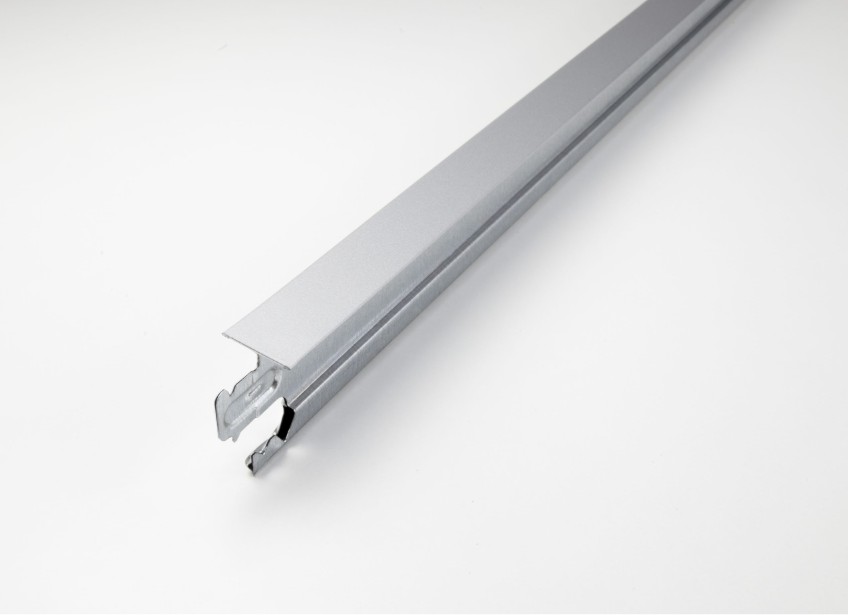
[A REVISAR] False ceiling profiles: exposed or concealed?
Depending on the installation and the characteristics of the selected tile, false ceilings make it possible to:
- Improve thermal and acoustic insulation
- Improve moisture resistance: important in areas such as bathrooms, changing rooms and kitchens with high levels of humidity and water vapour
- Decorative variety: their function may simply be decorative, thanks to the wide variety of finishes (colours, wood, metal, etc.).
To install any accessible false ceiling, whatever the material selected, a metal framework anchored to the building’s original slab (infill blocks, concrete, steel…) is suspended at the required distance. This metal framework varies depending on the type of ceiling selected and, specifically, there are two standardised systems: exposed false ceiling profiles and concealed false ceiling profiles.
Exposed profiles
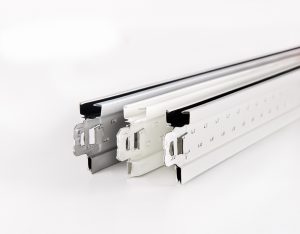
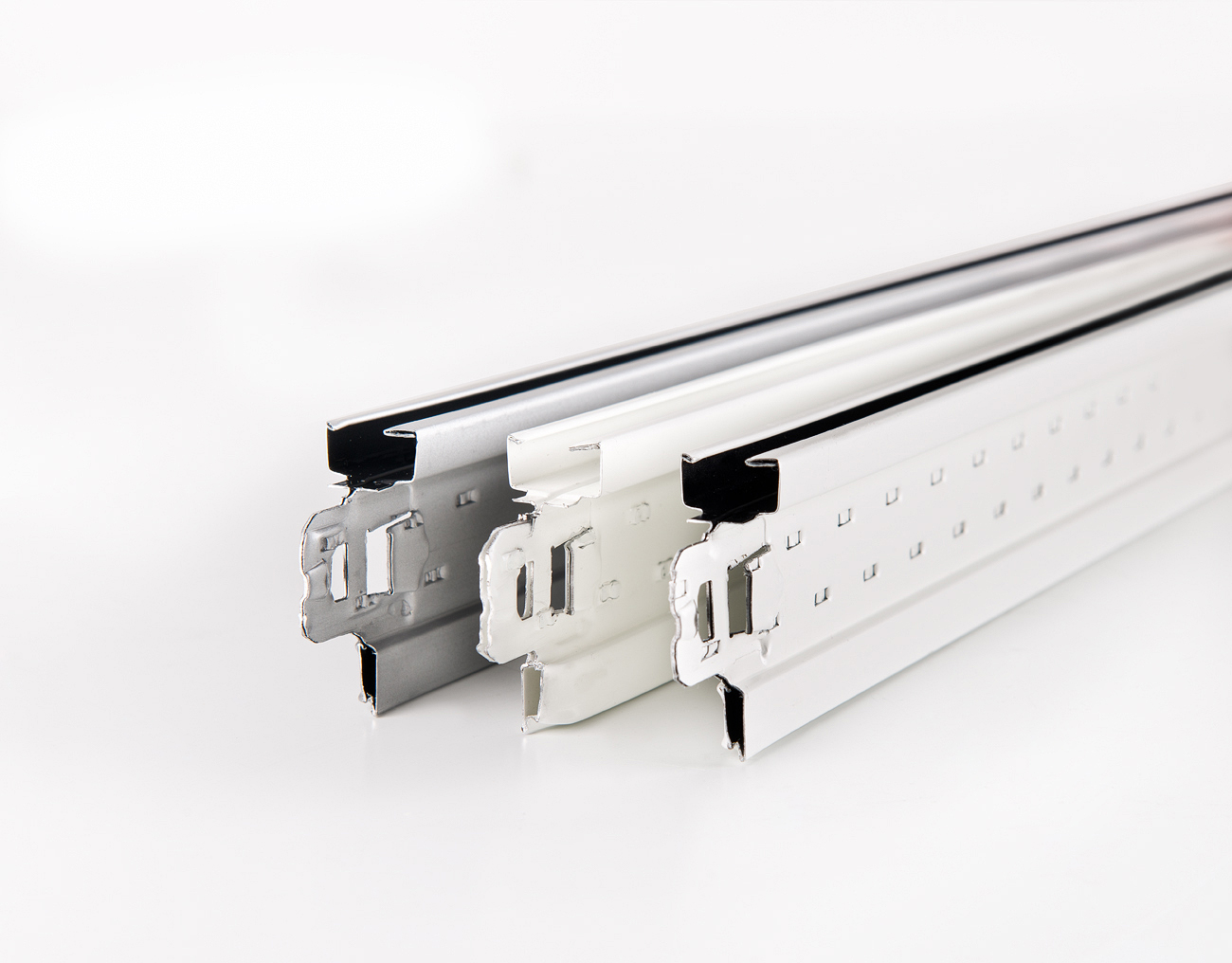
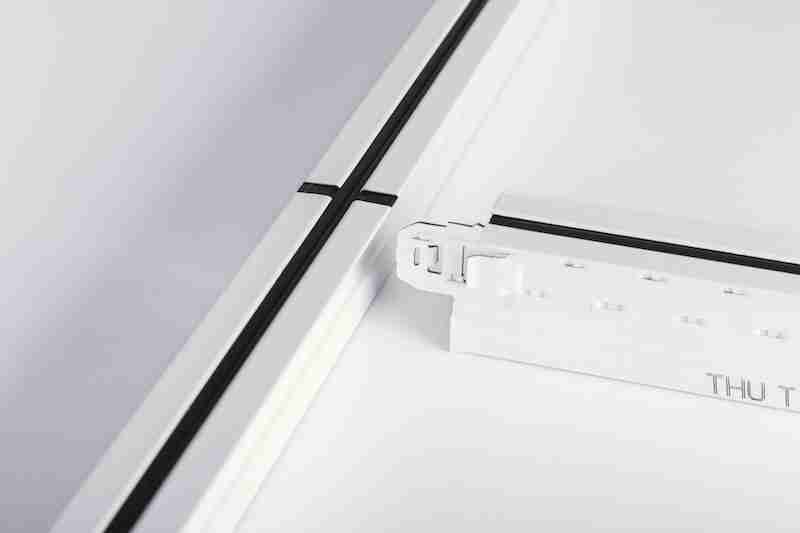
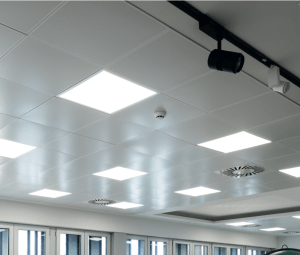
As their name suggests, these are profiles that remain visible and form part of the overall aesthetic of the false ceiling. The tiles simply rest in the grid formed by these profiles. At THU we manufacture the standardised T24 and T15 models for installing our Módena and Parma models respectively. We also offer our customers more decorative variants of these: the range known as T-Decor.
-
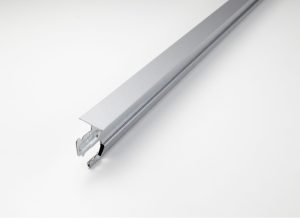
- T24
-
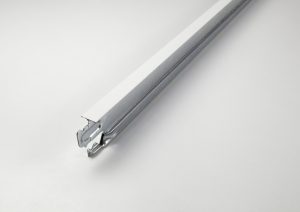
- T15
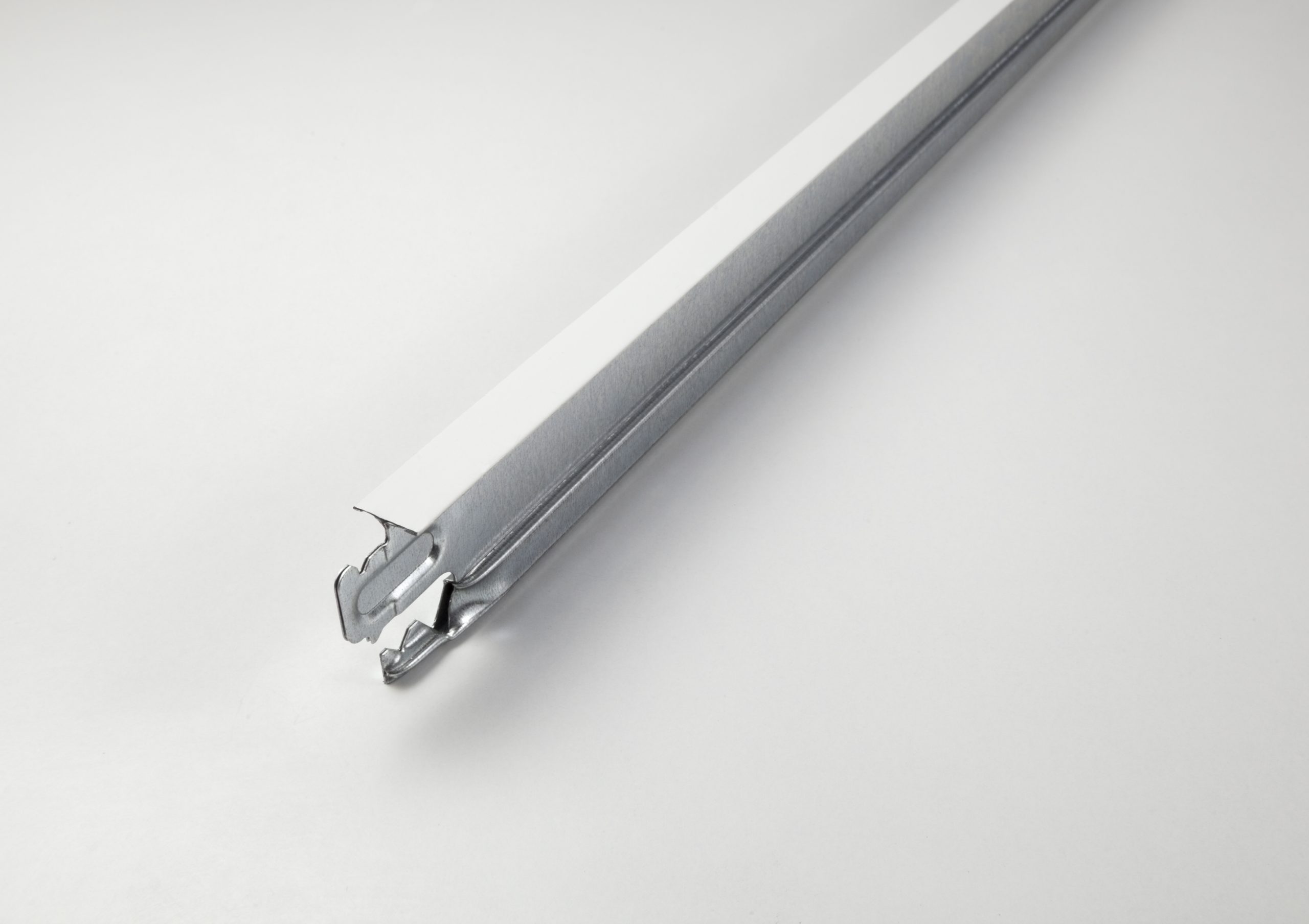
-
- T-DECOR 15
Concealed profiles
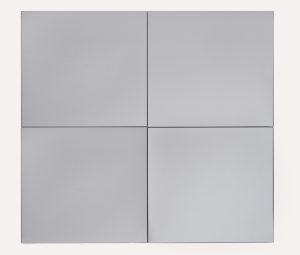
In this system, unlike the one described above, the false ceiling suspension profiles remain hidden. They make no aesthetic contribution and play a purely structural role. These are the profiles used to install our Sicilia Clip-in and Murano metal models.
The main advantage of this suspension system is the robustness it gives the false ceiling. The tiles are fixed to the profile and any possible movement is very limited.
Furthermore, as these profiles do not form a grid on which the tiles rest, they make it possible to combine tiles of different sizes to create eye-catching and highly decorative false ceilings.
-
- SICILIA CLIP-IN
Whichever option you choose, exposed or concealed false ceiling profiles, bear these tips in mind so that your project lives up to your expectations.
This article is for information purposes only and is based on the information available on the date of its publication. Due to the constant evolution of technology, regulations and technical specifications, some of its content may become outdated or change over time. In the event of any discrepancy, the current official technical documentation of the relevant manufacturer or supplier shall always prevail. For any queries, or if you need advice applied to a specific project, please do not hesitate to contact our team.

Write a Comment
You must be logged in to post a comment.