


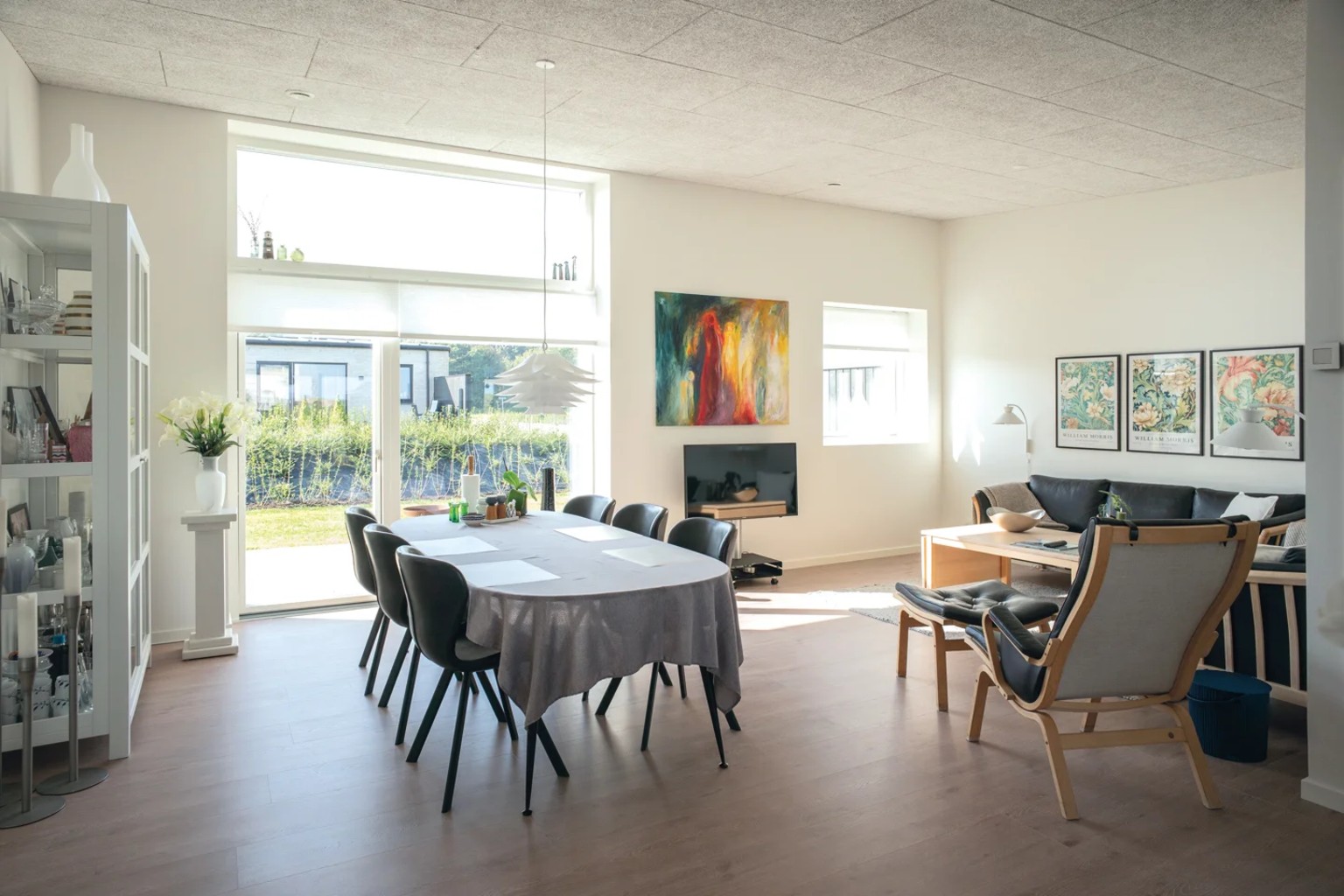
Colours, structures and finishes of Troldtekt® design acoustic panels
In this post, we explain how Troldtekt colour and finish options are structured, how the surface structures differ, how they affect the aesthetics and what to bear in mind when choosing between a natural or white cement base.
Three structures for three visual expressions
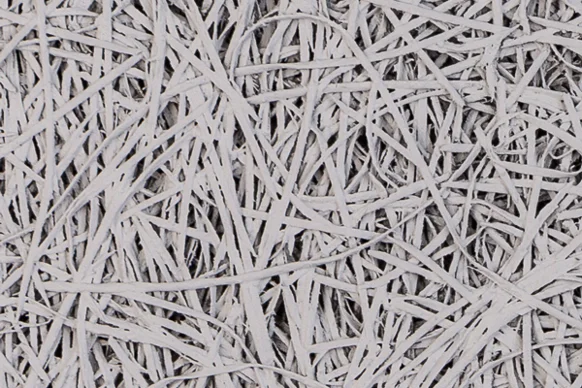
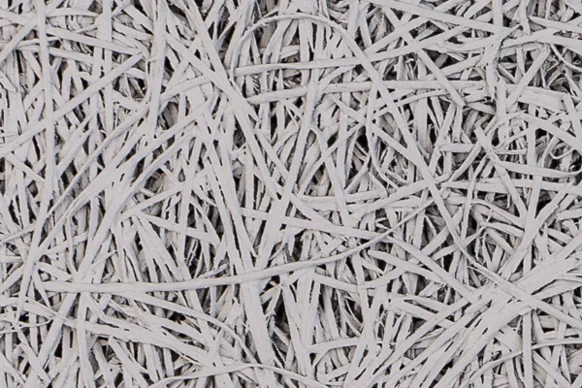
The width of the wood wool defines the visual texture of the panel. Troldtekt offers three structures that determine the character of the surface:
- Extreme fine → 0.5 mm
- Ultrafine → 1.0 mm (the most widely used in Troldtekt Design)
- Fine → 1.5 mm
A finer structure results in a more uniform and subtle finish, whereas wider fibres create a more rustic and visible texture. All structures are available in both natural and painted panels.

Two possible bases: natural grey (FUTURECEM™) and natural wood
Troldtekt acoustic panels are manufactured with two types of base:
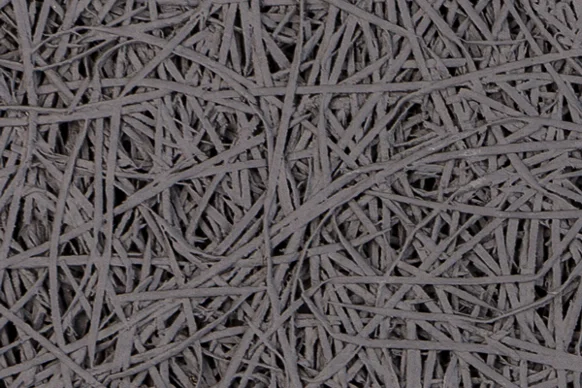
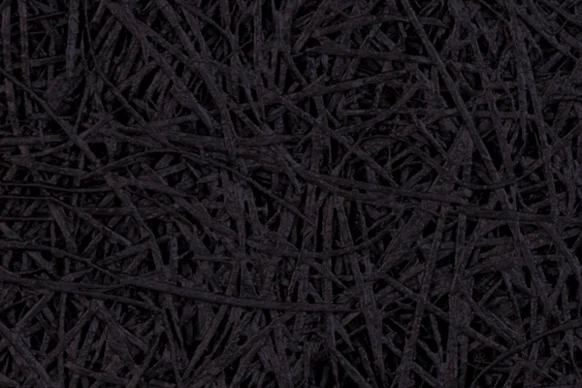
- Natural grey (FUTURECEM™): made with a low-environmental-impact cement. It has a warm grey tone and a carbon footprint 38% lower than the white cement base.
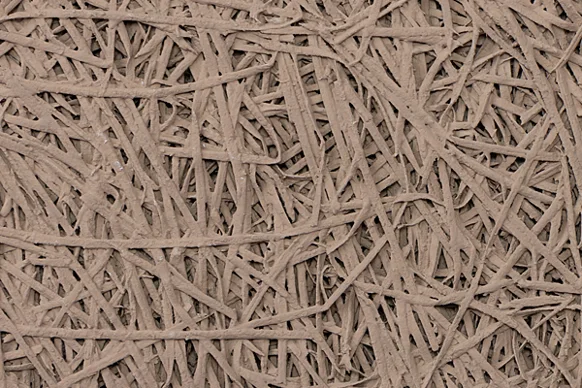
- Natural wood (white cement): offers a lighter and warmer appearance, with visible wood grain. It is usually chosen as the base for light colours, such as white 101.
Both bases can be left unpainted (natural finish) or factory-painted with water-based paint, spray-applied from three angles to ensure a uniform finish.

Colour range: standard, custom and tailored to the project
Troldtekt can be supplied in:
- Standard colours, including:
- White 101
- Grey 202 and Grey 208
- Black 207
- Clay 210
- Custom RAL or NCS colours (to order)
- Untreated natural, available only for specific projects
Technical recommendation: if dark colours are chosen (such as black or deep grey), a FUTURECEM base is recommended, as it offers better coverage and a lower environmental footprint.

Which option to choose for the desired effect?
| Finish | Recommended for |
| Natural grey (FUTURECEM) | Sustainable projects, raw expression or concrete architecture |
| Natural wood | Warm environments, exposed wood, light colours |
| Painted white 101 (FUTURECEM) | Continuous ceilings with a clean aesthetic, but with a slightly warmer tone than on a white base |
| Custom RAL/NCS colours | Colour integration with the rest of the project or corporate use |
Considerations regarding colour variation
Untreated versions, especially natural FUTURECEM, may show variations in tone between panels, which is part of their natural aesthetic character. To achieve a balanced result:
- It is recommended to mix the panels during installation.
- For a more uniform finish, factory-painted panels are advisable.
- The colour “Clay 210” is ideal if you are looking for visual warmth similar to natural FUTURECEM, but with colour uniformity
Details that make the difference
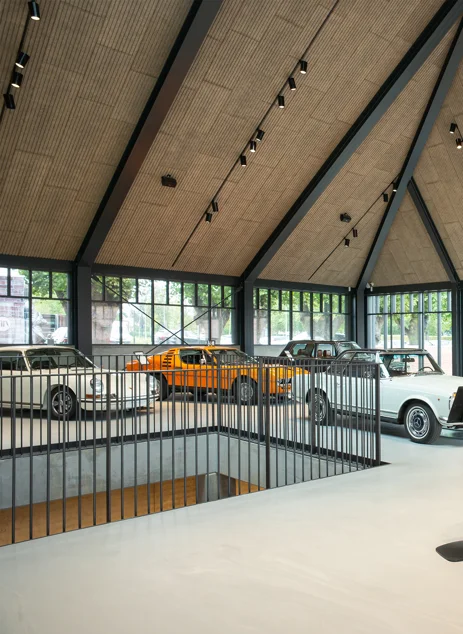
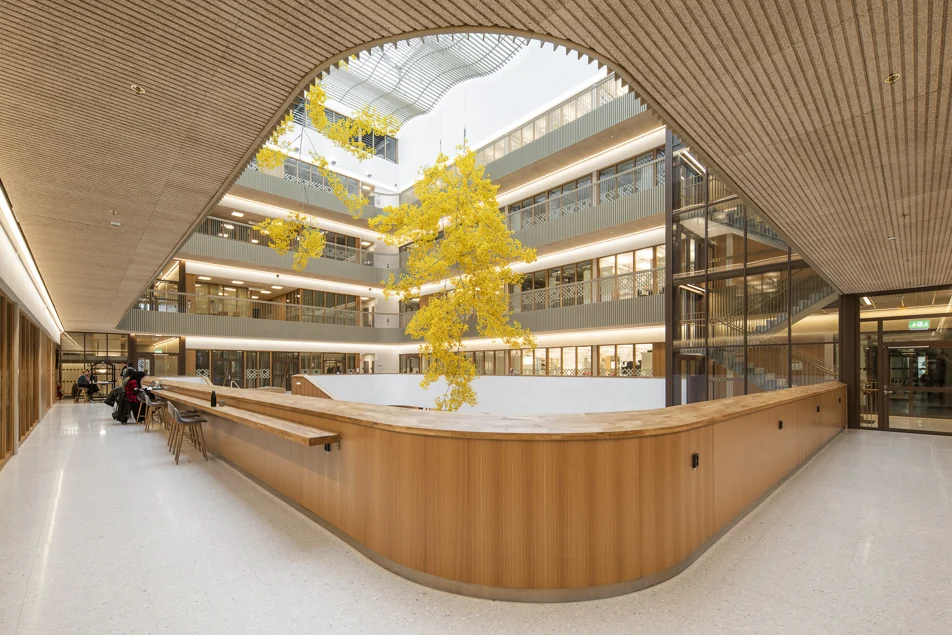
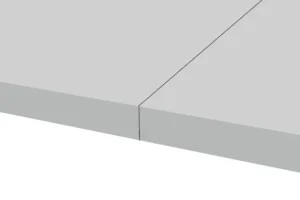
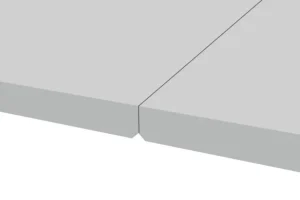
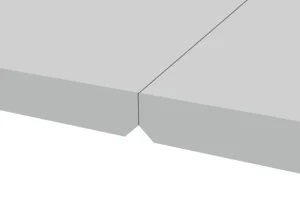
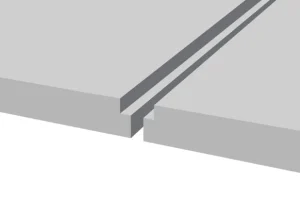
In addition to colour and structure, Troldtekt offers a choice of several edge finishes (bevelled or square), which influence how the joints are perceived:
- K0: square edge
- K5: 5 mm bevel
- K11: 11 mm bevel
- Special formats: with grooves, rebates or profiles for demountable systems
Screws matching the panel colour are also available, allowing an installation free of visual interference.
Can I paint the panels on site?
Yes, it is possible. However, bear in mind that:
- The open structure of the wood wool makes it difficult to achieve a uniform finish with a roller.
- Factory painting ensures better coverage and preserves sound absorption.
- If you decide to paint on site, use water-based paint with a spray gun or a long-pile roller.
Important: the paint does not clog the porous surface when applied correctly, and it is designed not to affect the acoustic performance of the panel.
Choosing the colour and texture is only one part of the design.
With Troldtekt, the surface becomes an architectural tool capable of combining aesthetics, acoustics and sustainability.
Find out how in our main article on Troldtekt design acoustic panels.
This article is for information purposes only and is based on the information available at the date of publication. Owing to the constant evolution of technology, regulations and technical specifications, some of its content may become outdated or change over time. In the event of any discrepancy, the current official technical documentation of the relevant manufacturer or supplier shall always prevail. For any queries, or if you need advice for a specific project, please do not hesitate to contact our team.


Write a Comment
You must be logged in to post a comment.