


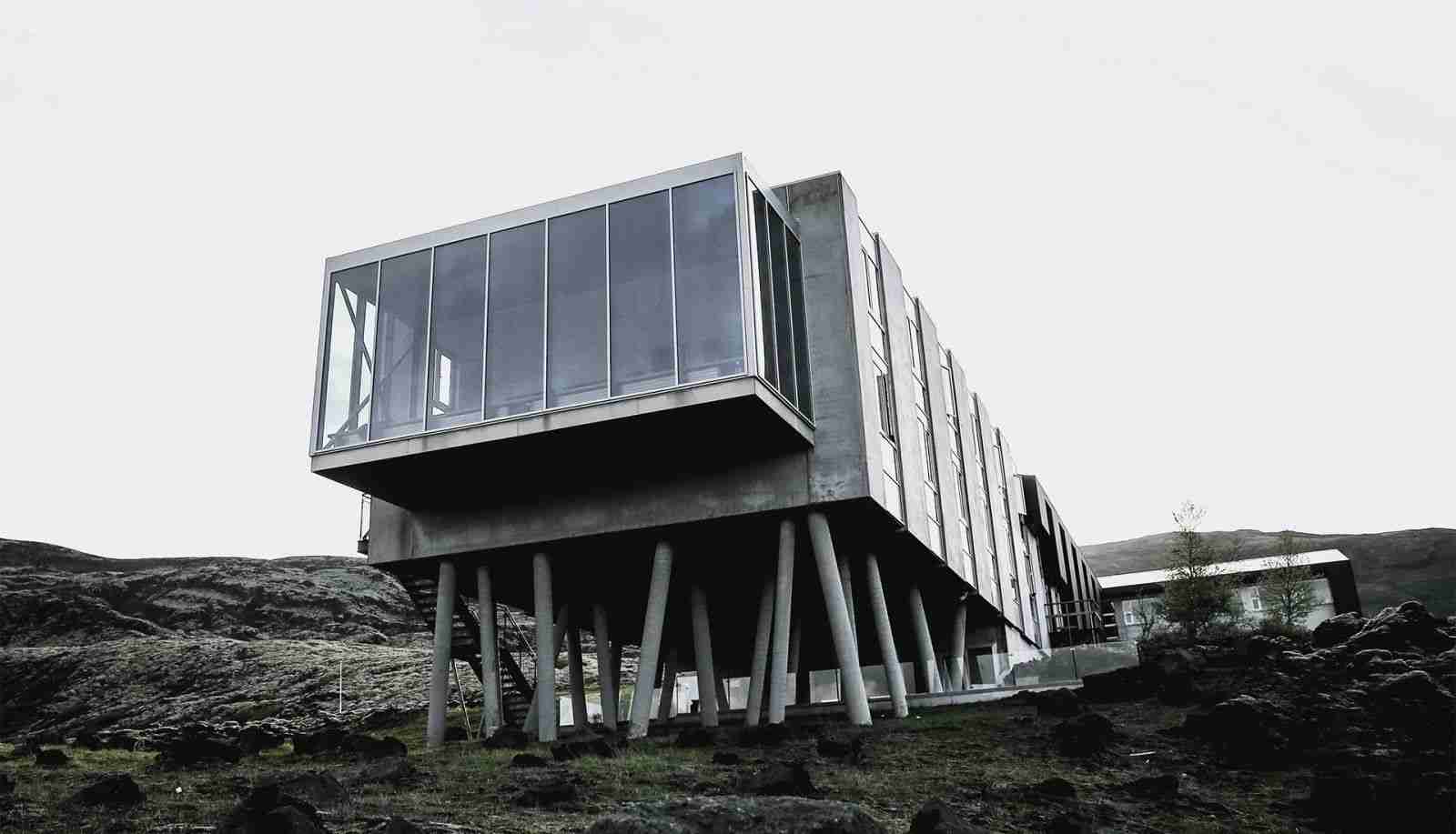
Quality and durability: some of the advantages of metal ceilings
Galvanised steel and aluminium are materials that can last as if they were new without any need for maintenance. That is why they are the basis of our metal ceilings. Below, we discuss some of the advantages of metal ceilings. Quality
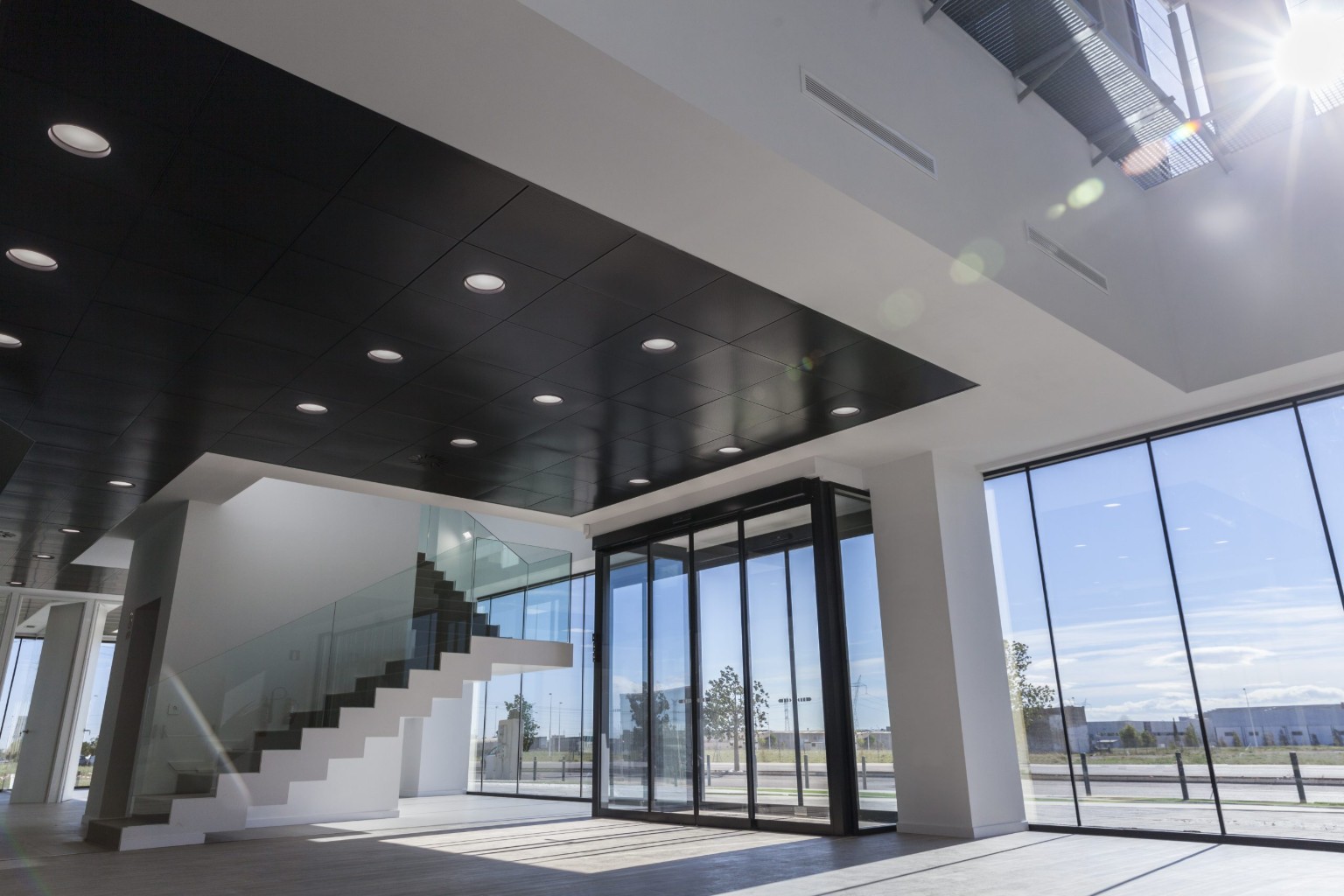
Materials: the key to accessible ceilings
The development of technology in recent years, new production processes and the incorporation of new materials in the manufacture of technical ceilings have opened up a world of possibilities in terms of models, colours and shapes.
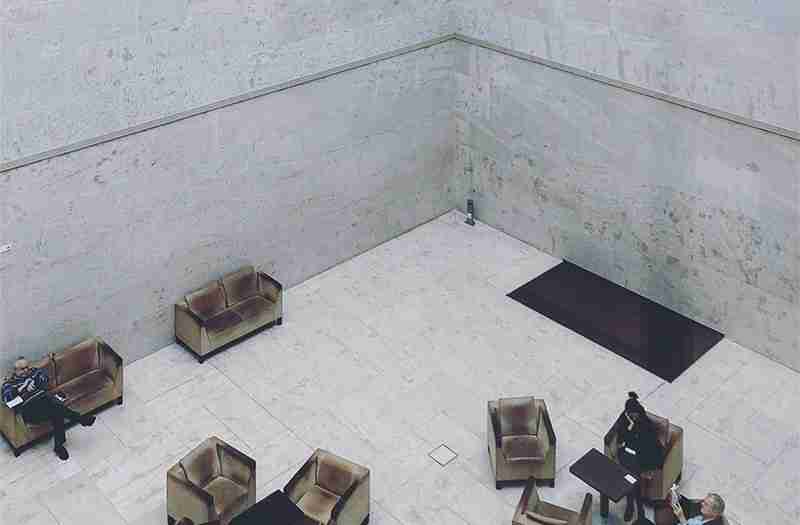
The importance of good acoustics in offices
Acoustics in offices are very important. According to the Spanish Ministry of Labour and Social Affairs: "Noise is one of the most common pollutants in the workplace, including non-industrial workplaces such as offices".
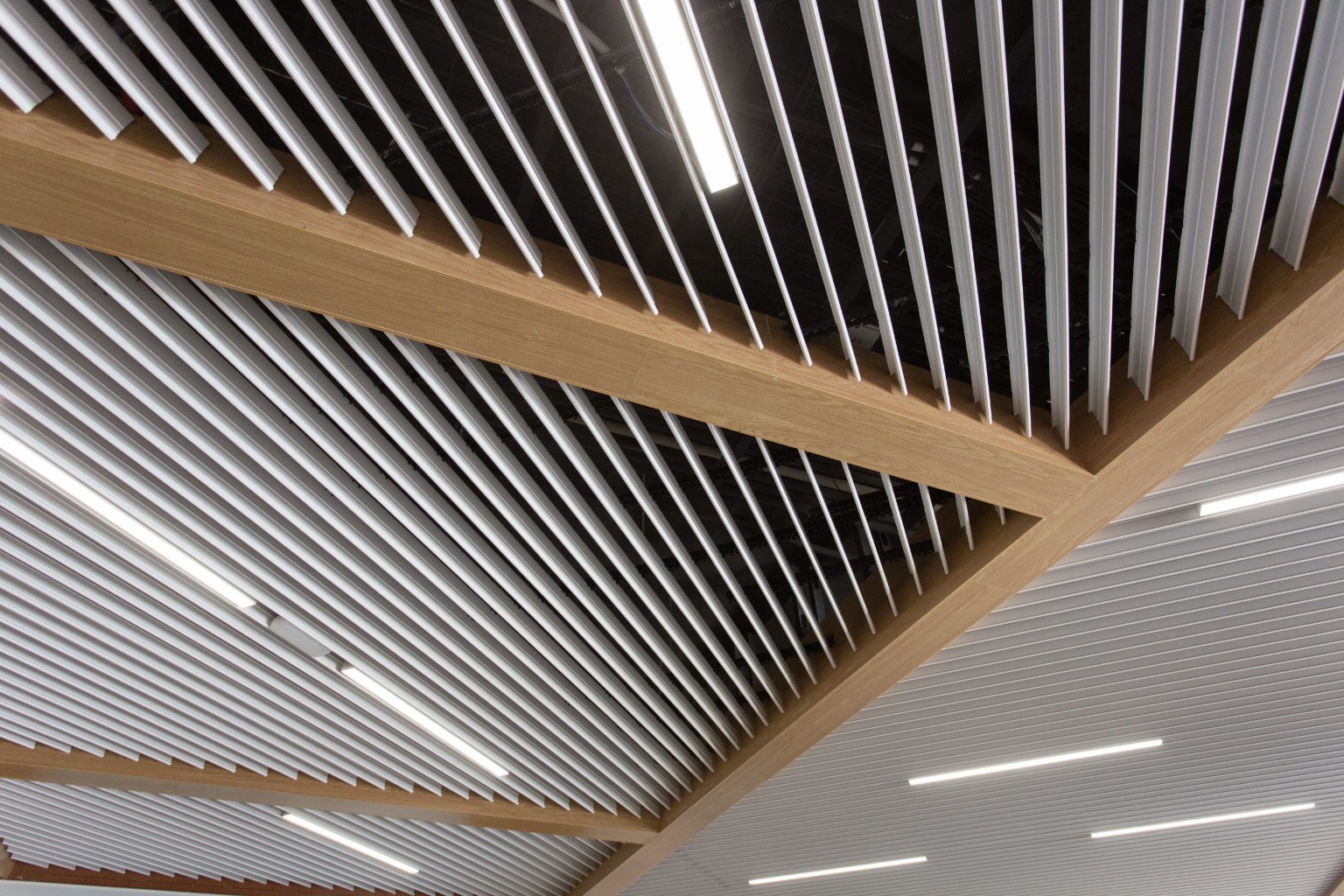
False ceiling or technical ceiling?
Whether we talk about a False Ceiling or a Technical Ceiling, we are referring to exactly the same thing: any secondary ceiling suspended from a slab whose basic function is to conceal building services, improve acoustics and enhance the appearance of spaces.

How and why to lower a ceiling
Firstly, there are numerous economic advantages. On the one hand, because there is less space to heat or cool, energy consumption is reduced. On the other, creating a false ceiling gives us the option of adding insulating elements, which help to maintain the room temperature and provide protection against noise.
Complete guide to demountable ceilings: advantages and applications
Demountable ceilings, also known as accessible ceilings, are modular systems that create a false ceiling below the main structure. Made up of a metal grid and panels manufactured in a range of materials such as mineral fibre, metal or wood,